When it comes to renting out a property, understanding landlord repair responsibilities is crucial for both landlords and tenants. Knowing who is responsible for what can prevent disputes, maintain a safe living environment, and ensure the property retains its value. Whether you’re a first-time landlord or a tenant wanting to understand your rights, this article will guide you through the essential aspects of landlord repair responsibilities in an easy-to-understand way.
What Are Landlord Repair Responsibilities?
Landlord repair responsibilities refer to the legal and practical duties landlords have to keep their rental properties safe, habitable, and in good repair. These responsibilities cover a broad range of maintenance issues, from fixing broken appliances to addressing structural problems. The main goal is to ensure that tenants can live comfortably and safely without worrying about avoidable hazards or inconveniences.
Typically, landlords are responsible for repairs related to the property’s structure and services, including plumbing, heating, electrical systems, roofs, walls, windows, and sometimes major appliances if they are included in the lease agreement. However, minor repairs or damages caused by tenant negligence often fall on the tenant to fix.
Legal Obligations and Local Regulations
Landlord repair responsibilities aren’t just a matter of kindness—they are legally mandated in many jurisdictions. Most local laws require landlords to provide properties that meet certain health and safety standards. This includes ensuring that essential services like running water, heat, and electricity are functional.
For example, landlords are generally required to:
– Keep the property weatherproof and structurally sound – Maintain plumbing, heating, and electrical systems in safe working condition – Address mold, pest infestations, and sewage issues promptly – Ensure smoke detectors and carbon monoxide alarms are installed and operational – Comply with building codes and housing regulations
Failing to meet these repair obligations can lead to legal consequences, including fines or even eviction lawsuits. Tenants may also have the right to withhold rent or take legal action if landlords neglect essential repairs.
Common Repairs Under Landlord Responsibility
Knowing specific examples of repairs landlords are typically responsible for can clarify expectations. While details vary by location and lease terms, here are some common repairs that fall under landlord duties:
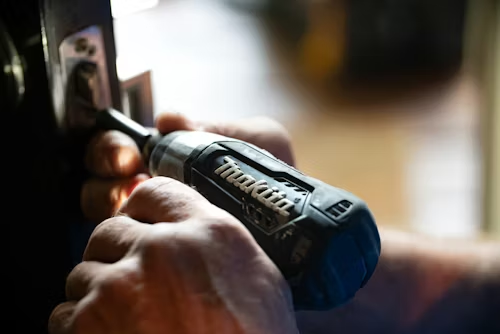
1. Structural Repairs: Fixing cracks in walls, repairing the roof, maintaining foundations, and addressing leaks. 2. Plumbing Issues: Resolving blocked drains, leaking pipes, broken toilets, or non-functioning water heaters. 3. Heating and Cooling: Repairing central heating, air conditioning units, and radiator problems, especially when these are critical for habitability. 4. Electrical Systems: Ensuring wiring is safe, outlets work correctly, and lighting fixtures are functional. 5. Pest Control: Addressing infestations such as rodents, cockroaches, or bedbugs, provided the tenant has not caused the issue. 6. Appliance Repairs: Fixing appliances like refrigerators or stoves if included in the rental agreement. 7. Safety Features: Maintaining door locks, windows, smoke detectors, and emergency exits.
Tenant Responsibilities and Communication Tips
While landlords have extensive repair obligations, tenants also hold responsibilities to keep the property in good condition. Tenants should report any issues promptly, avoid causing damage, and handle minor maintenance, such as changing light bulbs or cleaning filters.
Clear communication is key in managing repair responsibilities effectively. Here are some tips for both landlords and tenants:
– Document Requests: Tenants should notify landlords in writing about needed repairs, specifying the issue clearly. – Response Time: Landlords should respond quickly and schedule repairs without unnecessary delays. – Inspection and Agreements: Both parties should inspect the property together before moving in and after repairs to avoid misunderstandings. – Know Your Lease: Tenants and landlords must review the lease agreement carefully, as some repair responsibilities may be outlined specifically.
When Repairs Become Emergencies
Certain repair situations are emergencies and require immediate landlord attention. Examples include no heating during winter, serious plumbing leaks causing flooding, electrical hazards, or security issues such as broken locks.
In these cases, landlords must act quickly to mitigate damage and protect tenant safety. Tenants should also know how to contact landlords or property managers outside regular office hours for urgent repairs.
Final thoughts
Understanding landlord repair responsibilities is essential to create a harmonious rental experience. Landlords who stay on top of their repair duties protect their investment, comply with the law, and build good relationships with tenants. Meanwhile, tenants benefit from a safe, comfortable home free from avoidable disruptions.
If you’re a landlord, setting up a system for regular property inspections and prompt repairs can save money and prevent disputes in the long run. Tenants should stay informed about their rights regarding repairs and communicate issues as soon as they arise.
By knowing what landlord repair responsibilities entail—and working cooperatively—both parties can ensure a positive, worry-free renting experience.
Para ofrecer las mejores experiencias, utilizamos tecnologías como las cookies para almacenar y/o acceder a la información del dispositivo. El consentimiento de estas tecnologías nos permitirá procesar datos como el comportamiento de navegación o las identificaciones únicas en este sitio. No consentir o retirar el consentimiento, puede afectar negativamente a ciertas características y funciones.
Funcional
Always active
El almacenamiento o acceso técnico es estrictamente necesario para el propósito legítimo de permitir el uso de un servicio específico explícitamente solicitado por el abonado o usuario, o con el único propósito de llevar a cabo la transmisión de una comunicación a través de una red de comunicaciones electrónicas.
Preferencias
El almacenamiento o acceso técnico es necesario para la finalidad legítima de almacenar preferencias no solicitadas por el abonado o usuario.
Estadísticas
El almacenamiento o acceso técnico que es utilizado exclusivamente con fines estadísticos.El almacenamiento o acceso técnico que se utiliza exclusivamente con fines estadísticos anónimos. Sin un requerimiento, el cumplimiento voluntario por parte de tu proveedor de servicios de Internet, o los registros adicionales de un tercero, la información almacenada o recuperada sólo para este propósito no se puede utilizar para identificarte.
Marketing
El almacenamiento o acceso técnico es necesario para crear perfiles de usuario para enviar publicidad, o para rastrear al usuario en una web o en varias web con fines de marketing similares.






Leave a Reply